
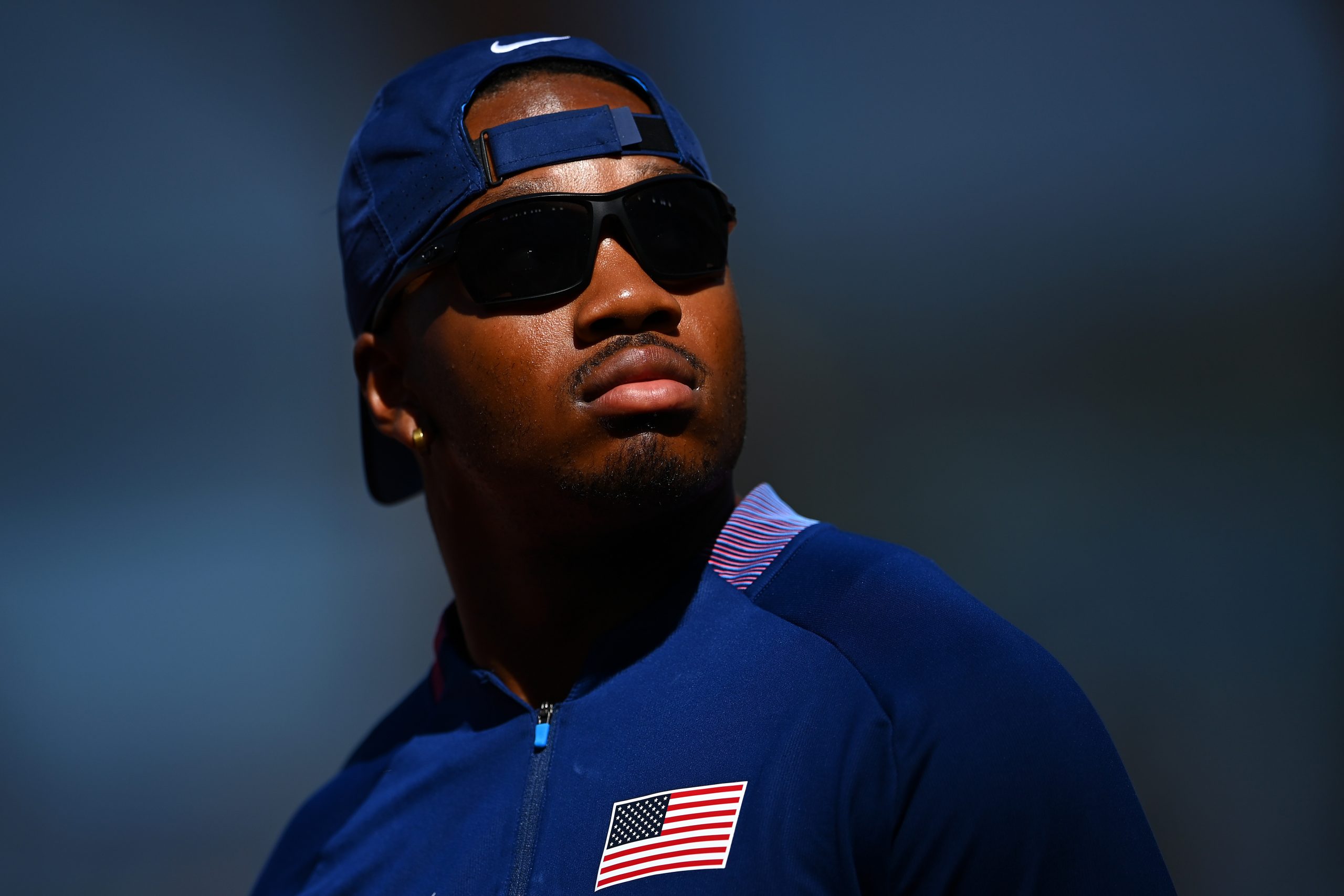
Sander Skotheim will not be in Toruń to defend his world indoor heptathlon title. The Norwegian’s withdrawal leaves Kyle Garland of the USA and Simon Ehammer of Switzerland to lead a cast of contenders shaped as much, if not more, by the quirks of the qualification system as by top performances in 2026. Here’s what to expect this weekend at the World Indoor Championships heptathlon.
KYLE GARLAND (USA)
Kyle Garland is arguably the favourite for the event, as the man who came within six points of Ashton Eaton’s world record of 6645 in March 2023.
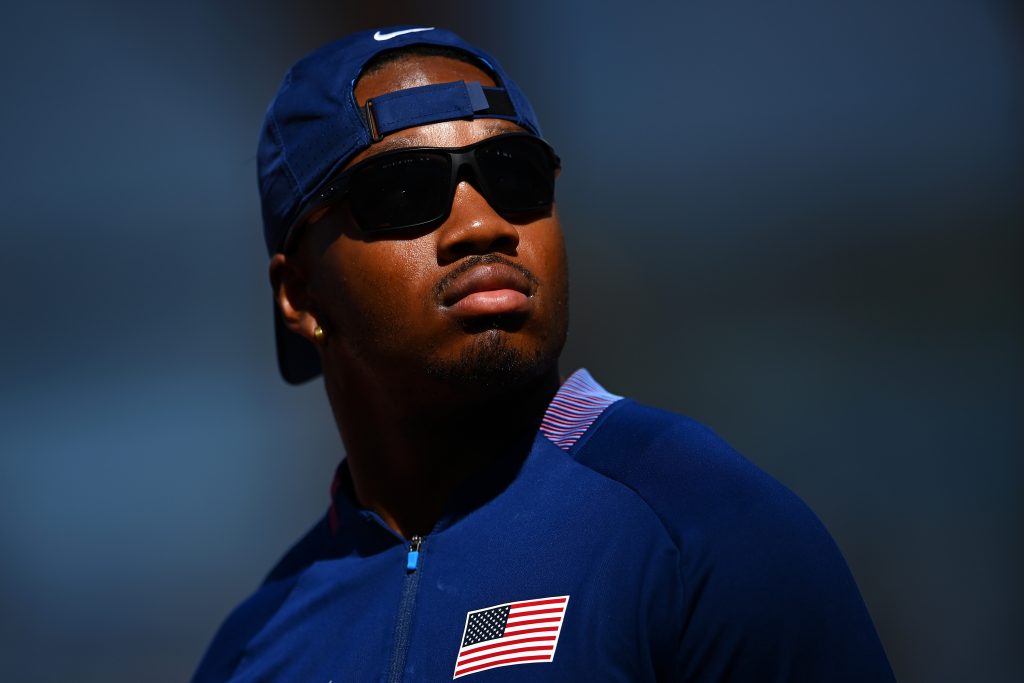
The best decathletes outdoors are not always the best heptathletes indoors, and the best heptathletes are not always the best decathletes. For example, decathlon world record holder Kevin Mayer’s heptathlon PB is only, one might say, 6479. But Garland is one of the rare athletes who can excel at both. Only three men, Garland, Ashton Eaton and current world indoor champion Sander Skotheim (who will not defend his title, due to injury) have exceeded both 6500 points indoors and 8800 points outdoors.
Garland’s 6639 heptathlon followed within 12 months of his breakthrough in decathlon, when he scored 8720 points in the summer season of 2022. A few fallow years followed, before Garland returned for an incredibly successful season in 2025.
The “Freight Train”, as he’s commonly known, was second in Götzis to Skotheim in June 2025, where the Norwegian scored over 8900 and Garland scored 8626. He then won the US decathlon title with 8869 points. In Tokyo, Garland sparred with his birthday twin Ayden Owens-Delerme for the top spot, until Leo Neugebauer discovered he could, indeed, throw a javelin and claimed the world title. Garland won the bronze medal, with a score of 8703.
Garland qualifies for Torun by ranking, currently ranked third in the world and top-ranked in the field. The field of 14 is constructed by 13 athletes from world rankings and one World Athletics discretionary place.
So far in 2026, Garland has competed only in long jump and shot, but with a very promising 7.64m and 16.21m respectively. His signature combination is the shot and the high jump and ask yourself this – where else can you watch a freight train power a cannonball 17m before hurling itself over a height close to 2.20m?
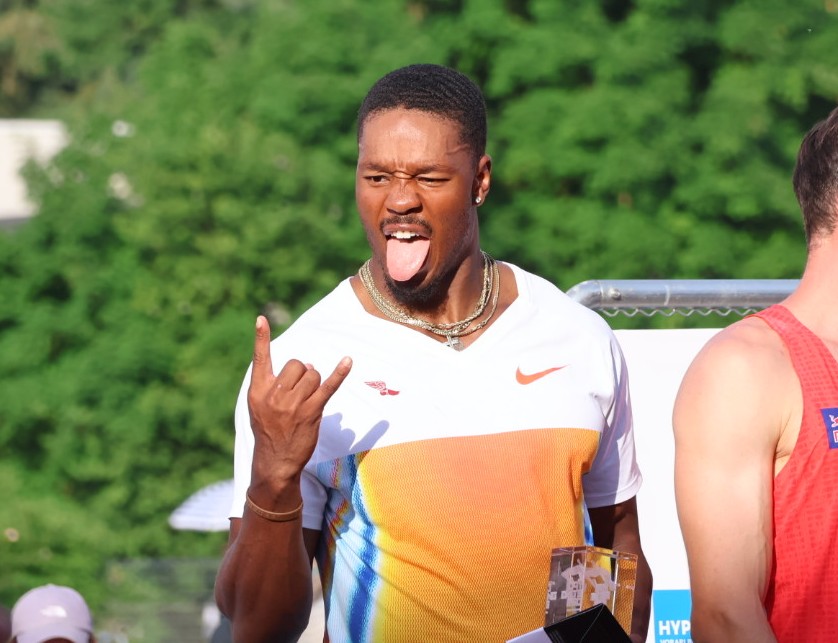
SIMON EHAMMER (SWITZERLAND)
The athlete who is on the other side of the argument to be considered favourite is Switzerland’s Simon Ehammer. He has often been regarded as a much better heptathlete than decathlete, since his specialist troika of 60 metres, long jump, and 60 metres hurdles is much more useful over seven events than 10.
Ehammer has, however, rectified that imbalance and has been able to increase his decathlon score to over 8575, achieved in Götzis in 2025. Ehammer shared third place with Germany’s Niklas Kaul on that occasion, scoring exactly the same points. However, if we extract the points each athlete gathered over the seven equivalent events of the decathlon which form the indoor heptathlon, we find that Ehammer collected 6274 in Götzis while Kaul collected 5928. There’s a reason Kaul does not compete in the combined events indoors, and a reason why Ehammer is one of the best heptathletes in the world.
Ehammer won the world indoor title in Glasgow in 2024, after a thrilling three-way battle with Skotheim and Johannes Erm, neither of whom is competing in Toruń. A year later, Skotheim reversed the standings, winning the European indoor title with the now European record of 6558, while Ehammer improved his own national record to 6506. Ehammer chose the long jump over the heptathlon in Nanjing last year as part of his preparation for Tokyo, although the rankings approach to qualification excluded him from participation over seven events anyway.
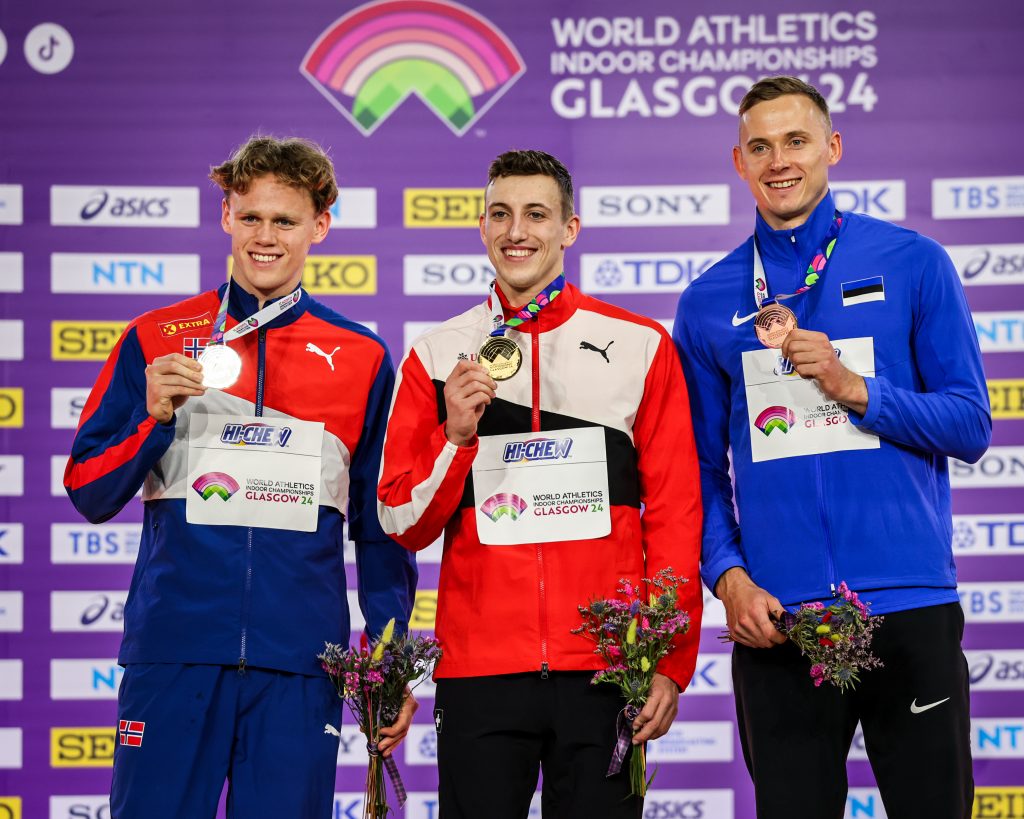
Ehammer typically has his first heptathlon of the year at X-Athletics in Clermont-Ferrand, which did not take place this year. Instead, he scored 6416 at the Swiss Championships, just two points off his score when winning in Glasgow in 2024, which was then a national record of 6418. That was a mighty impressive warm-up heptathlon. And with the best mark in the world in the field so far, second only in the world to NCAA champion Peyton Bair, the Swiss is arguably the man to beat.
Fun fact: Simon’s wife Tatjana is – in addition to being a brilliant skier – the Austrian national record holder in the hammer. So between them, the Ehammers have competed in all four throws. They also have a tiny Pomeranian called Luna who, for context, is approximately the size and weight of a discus.

HEATH BALDWIN (USA)
Heath Baldwin has a day one profile which has something in common with his teammate Garland. Baldwin is also one of the best combined shot/high jump competitors in decathlon, with a combination of 16.52m and 2.17m.
Baldwin is just a few years out of the college system, and over seven events he was second in the 2024 NCAA championships behind Leo Neugebauer, with a then PB of 6238. He subsequently moved to Illinois, where he trains alongside Ayden Owens-Delerme, Dutch duo Luuk Pelkmans and Jip de Greef, and is coached by Petros Kyprianou. Kyprianou is rebuilding the combined events academy he nurtured previously at the University of Georgia, where Kyle Garland enjoyed his college career.
Baldwin’s untapped potential is in the pole vault, with a best of just 4.86m, although a sub-5 metre pole vault did not trouble Roman Šebrle and Damian Warner when scoring 9000 points. He has the second-best decathlon PB in the field, with 8625.
Baldwin was second at the US Championships this year, with a fresh PB score of 6245. Hakim McMorris actually won the US title, scoring 6255 which is third in the world this year, but he missed out due to Garland and Baldwin’s superior rankings positions. Baldwin’s score is fourth in the world this year; he competed at the World Indoors in Nanjing in 2025 where he placed fourth with 6188 points.
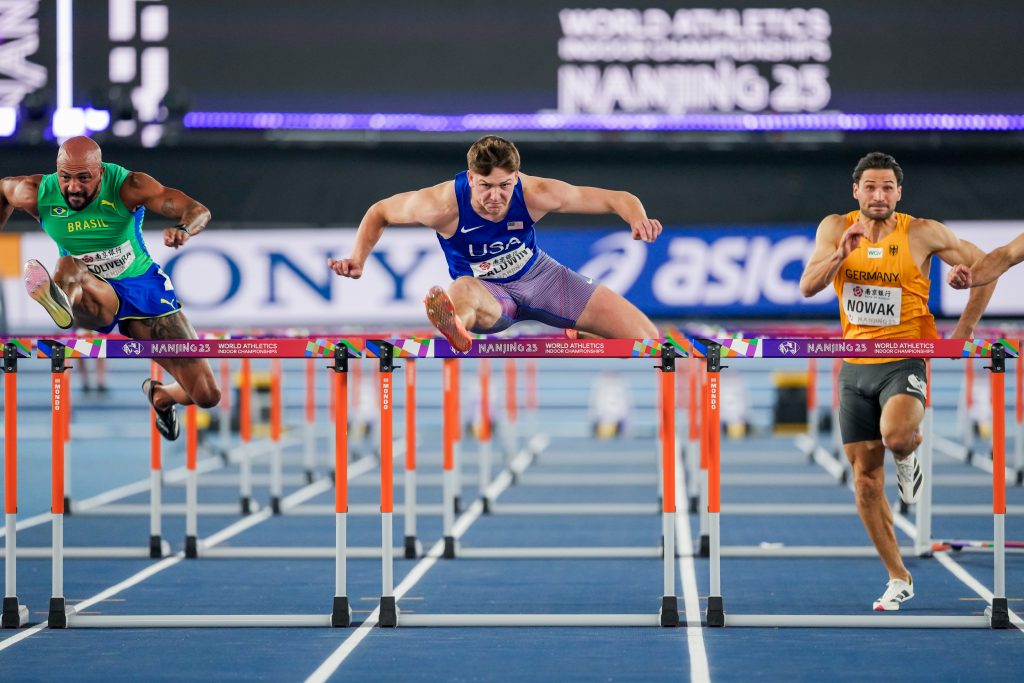
DARIO DESTER (ITA)
Italy’s Dario Dester could be the surprise package in the field, and here’s why.
The Italian missed most of 2025 due to injury and has also been adapting to his new training in Ulm with former head decathlon coach of Germany, Christopher Hallman. The squad also includes Finley Gaio of Switzerland, and until recently Manuel Eitel of Germany (see later on).
Having been the first Italian to score over 6000 points back in 2021, he had been unable to improve on that in the meantime, although he did improve his own national record in decathlon outdoors to 8235. Dester stepped back into competition in 2026, and the comeback was worth waiting for.
At the Italian Championships in Ancona this year, Dester eclipsed his previous mark of 6076, bringing it over 6100 to 6121. What’s even more remarkable is that he had plenty points to spare, well short of his pole vault best (4.70m to 5.11m) and 9cm below his best high jump mark too. Training alongside Gaio and Eitel, both of whom are lightning fast, has surely helped Dester to a 60m PB of 6.91m, and a 7.96m 60m hurdles (just 0.02m short of his best). In a championships environment, there may be more to come from Dester, and that puts him in genuine medal contention.
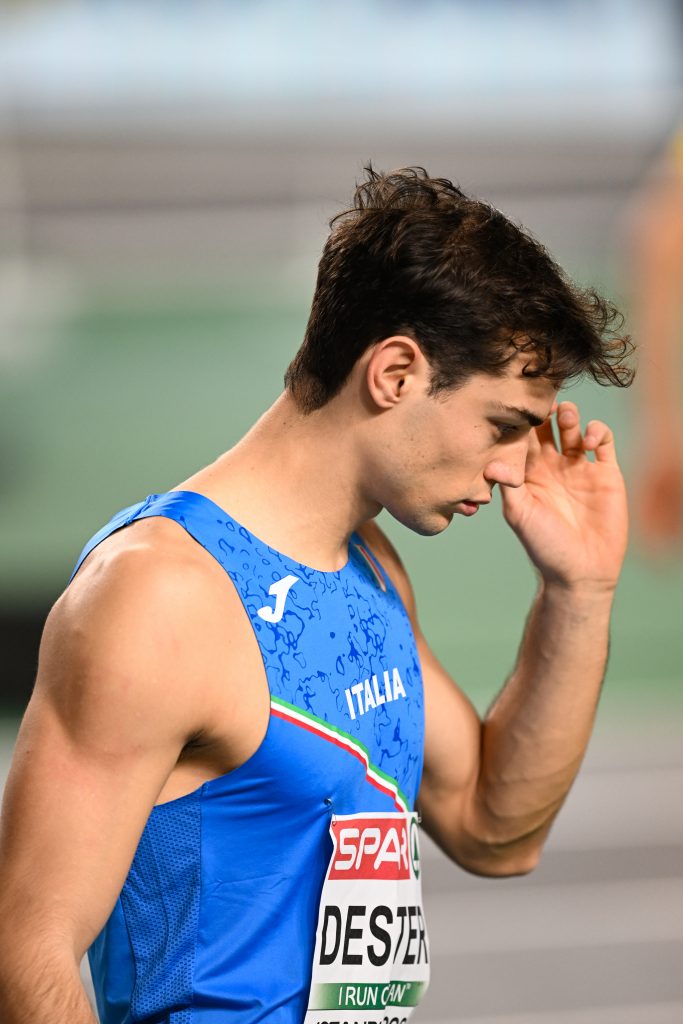
MAKENSON GLETTY (FRA)
Makenson Gletty was fifth at the World Indoor Championships in Glasgow in 2024 and won bronze in decathlon at the European Championships in Rome later that year. He shares a mighty shot with Garland and Baldwin, but otherwise his track events are his strength.
Gletty has had a change of scene over this last year as his coach Rudy Bourguignon, himself an 8000-point decathlete, moved to Austria to take up post as high performance coach and OLV (Austrian federation) team leader.
Bourguignon’s appointment represented a return home for his other world-class charge, the 2019 world heptathlon bronze medallist and Austrian heptathlon record holder, Verena Mayr, who has been based in Nice for the last two years with Gletty. The EU20 bronze medallist from 2023, Matthias Lasch, also returns home to Austria from Switzerland, and joins the training group .
The Frenchman’s best lifetime score is 6230 from X-Athletics in 2024, and he has had one run over seven events this season proving fitness with a score of 6091 while competing as a guest at the Austrian combined events championships in Linz.
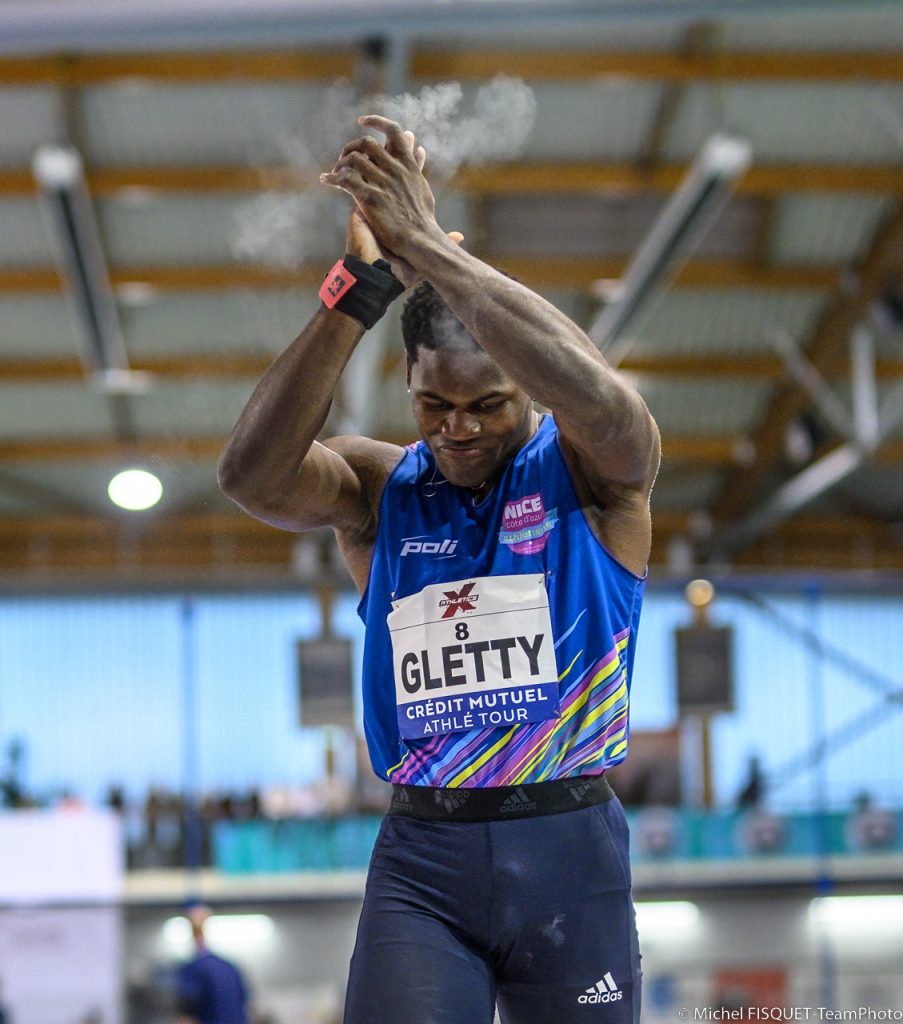
TEO BASTIEN (FRA)
France had three athletes within the qualification envelope, as did the USA (who in fact had four), but with a maximum of two permitted per country, the second honour went to Teo Bastien over Antoine Ferranti. Ferranti had been above Bastien in the rankings but unfortunately fell in the hurdles at the French Championships.
Meanwhile, Bastien won the national title with a PB of 6078, making him a sound selection choice for Toruń alongside Gletty. Bastien won bronze in decathlon behind Jente Hauttekeete and Sander Skotheim at the European U20s in Tallinn in 2021 but has been slower than his contemporaries in translating that into a strong decathlon score. However, that changed in 2025, as Bastien sailed past 8000 points with 8102 at Decastar.
Bastien’s high jump is a good test of how well he’s going, and on those occasions where he can stick a good high jump – the best of which came with his new PB of 2.12m at the French championships this year – he sets himself up well for a good day two score. Often a no-mark or other bad luck has been a limiting factor for Bastien. In 2025 he competed at the European Indoors in Apeldoorn but fell in the hurdles. His one weak point is the 1000m, where – with Jose Fernando Ferreira – he is the slowest in the field with a best of 2:50.
Before this year, the Frenchman – whose younger sister Maeva is also a combined eventer – had a heptathlon PB of 6026 from 2025. He’s in particularly good shape, and he’s also the cover star of this 2026 Decathletes of Europe decathlon calendar.
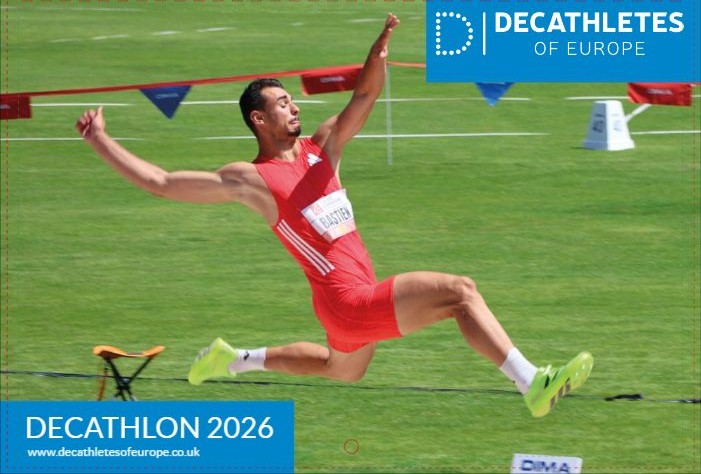
JENTE HAUTTEKEETE (BEL)
The next contender is Jente Hauttekeete. The Belgian is the world record holder in the U20 heptathlon with 6062, a score he pretty much matched as a senior in 2023, improved to 6131 in 2024 and then to 6259 in 2025 when he finished fifth at the European Indoor Championships. So far in 2026, he has scored 6212 to win the Belgian championships, pushed hard by Dai Keita who scored 6181 but was penalised by the rankings-only approach to Worlds qualification.
Although Hauttekeete’s score continues to improve, a pattern largely matched outdoors as well as indoors, the profile from which he collects points is changing. In his earlier competitions, his high jump was often his standout event at 2.12m. However, the need to build strength for the heavy throws (15.73m shot PB already this year) means that such heights are little harder to reach. While rarely at the front of a 60m or 60m hurdles, he is deceptively and consistently fast, and his pole vault is now regularly over five metres, 5.20m at best. The checkpoints for Hauttekeete’s progress are in his jumps; in the long jump whether he is closer to his best of 7.53m or down at seven metres, and whether his high jump is 2.05 and above, or stuck around two metres. If the day one jumps go well, Hauttekeete could also be a medal contender.
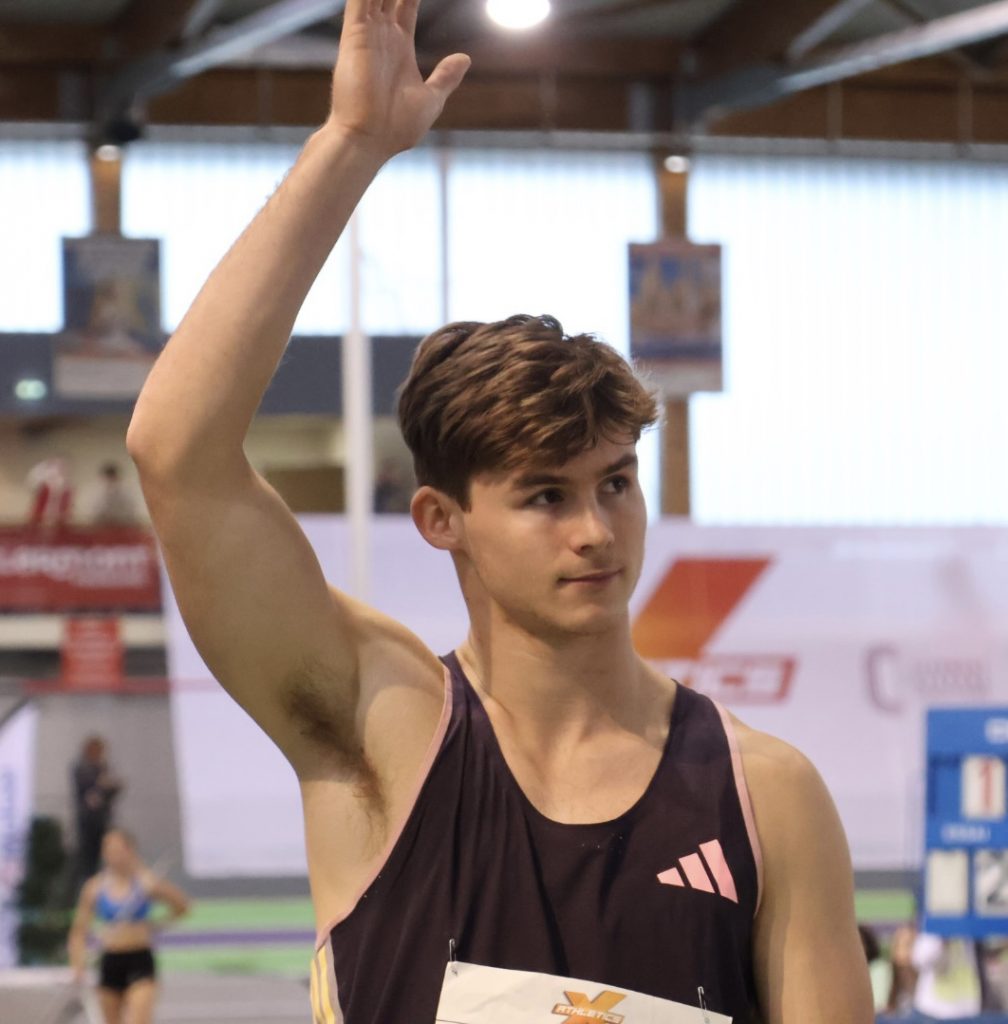
JEFF TESSELAAR (NED)
The field reunites the Benelux besties, Hauttekeete and Jeff Tesselaar of the Netherlands. The low countries neighbours have been maintaining an event-count rivalry in recent seasons, Hauttekeete leading 5-2 in the disciplines at the 2025 European Indoor Championships, and 7-3 in the 2025 edition of Götzis, although as Tesselaar put it to me “I don’t know the exact score in Götzis, but I know I won.”
Over and above the friendly rivalry, the exercise shows us the many different ways a combined event athlete can win a competition and reminds us that there are no prizes (beyond a box of chocolates and bragging rights) for “winning” an individual event.
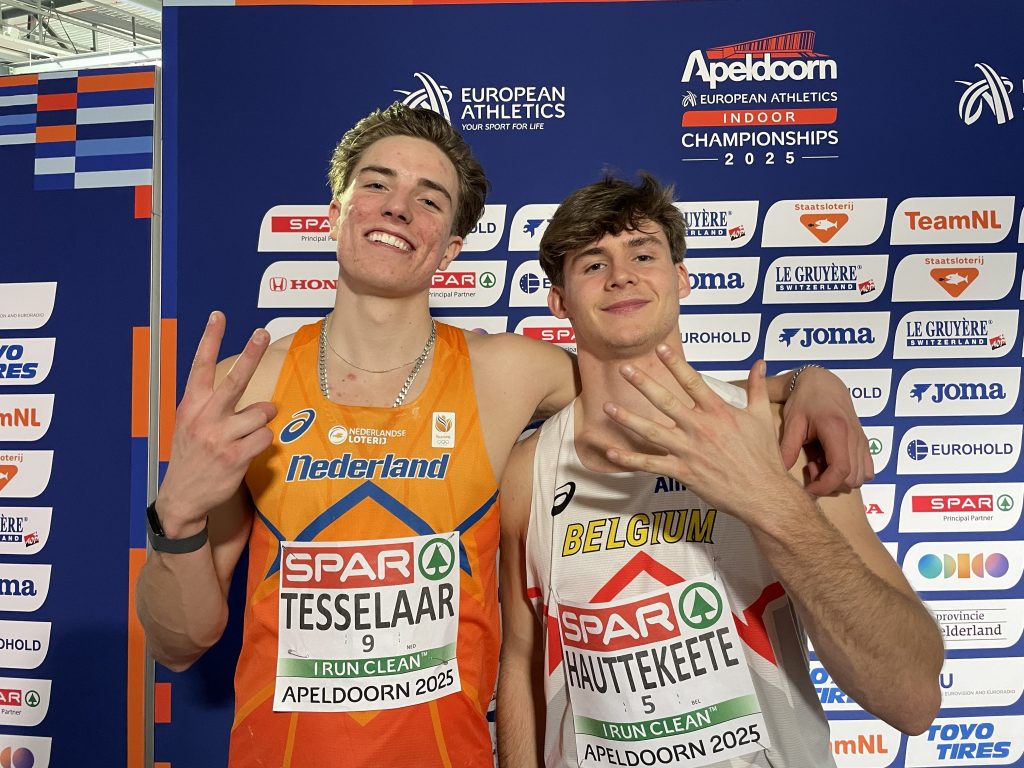
Tesselaar is the showman of the field, raising his home crowd in Apeldoorn during the European championships last year. But the international setting won’t prevent him from charming the audience in Torun and keeping their attention firmly on the heptathlon.
His signature events are the long jump, where he has a best of 7.76m, and the middle distance finale, whether it be 1000m or 1500m. Tesselaar stunned fans in Götzis last year with a breathtaking 4:08m solo 1500m, and when it transpired he would not be going to the World Championships in Tokyo, he decided to spend time revisiting an old love – the 800m. With just a few weeks training in September 2025, he knocked seven seconds off his previous lifetime best to run 1:52.
At 22, Tesselaar is still improving in most events, and his heptathlon progression has been 5757 in 2024 to 5948 in 2025. In decathlon he improved by 140 points between 2024 and 2025, scoring 8249 to finish on the podium in 10th place in Götzis (and ahead of Hauttekeete, even with a 3-7 loss in individual placings).
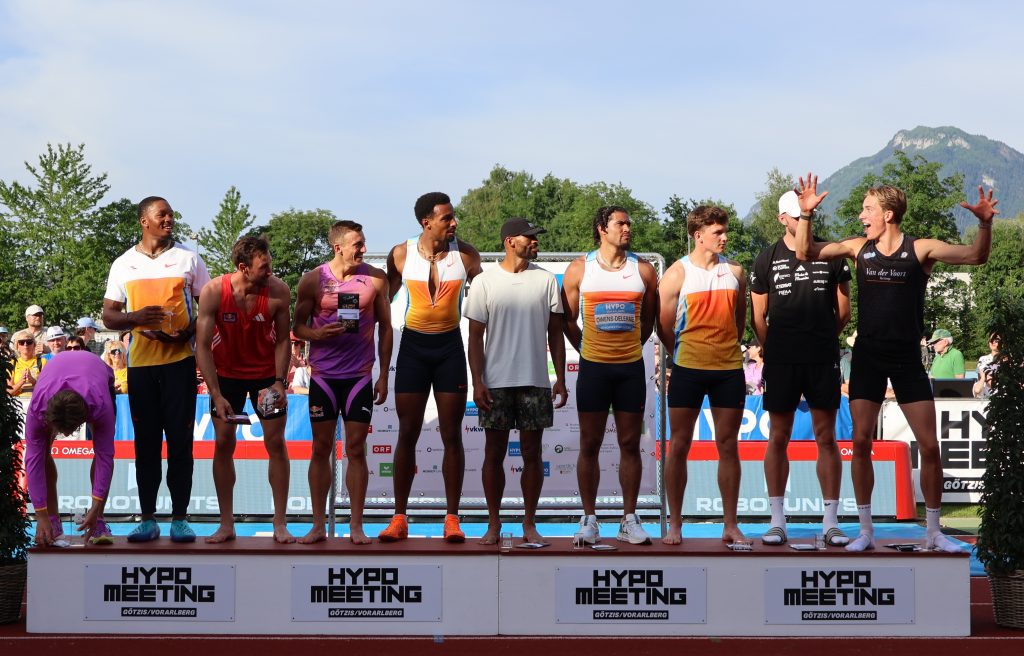
KENDRICK THOMPSON (BAH)
While there is only one Dutchman in the field, another has been dubbed an honorary Nederlander; the Bahamian Kendrick Thompson. Kendrick’s poles, for reasons unclear, could not be transported to Poland. Why, in the name of Paweł Wojciechowski, is this still happening in 2026? They’re poles, not petrified pythons. But what would a Kendrick multi be without a little drama? Happily, the decathlon brotherhood stepped up to assist, and the Dutch are bringing some extra poles for Thompson to compete with.
So, our plucky, barracuda-harpooning, shark-bitten, fisher-hero from the Bahamas can put together a full heptathlon, and it should be a good one too. If there’s one silver lining to the world ranking approach to qualification indoors, it is that it can show what someone like Kendrick Thompson, who doesn’t have many opportunities to compete in heptathlon, can achieve.
The Bahamian national record of 6340 is held by Ken Mullings, set in the run-up to the world championships in Glasgow in 2024, where Mullings finished fourth. By contrast, Kendrick’s heptathlon score is only 5963, which masks his ability. This year he has improved his 60m to 6.80m, his long jump to an Ehammer-esque 7.98m, his 60m hurdles to 7.99m, and has chipped away at his 1000m too.
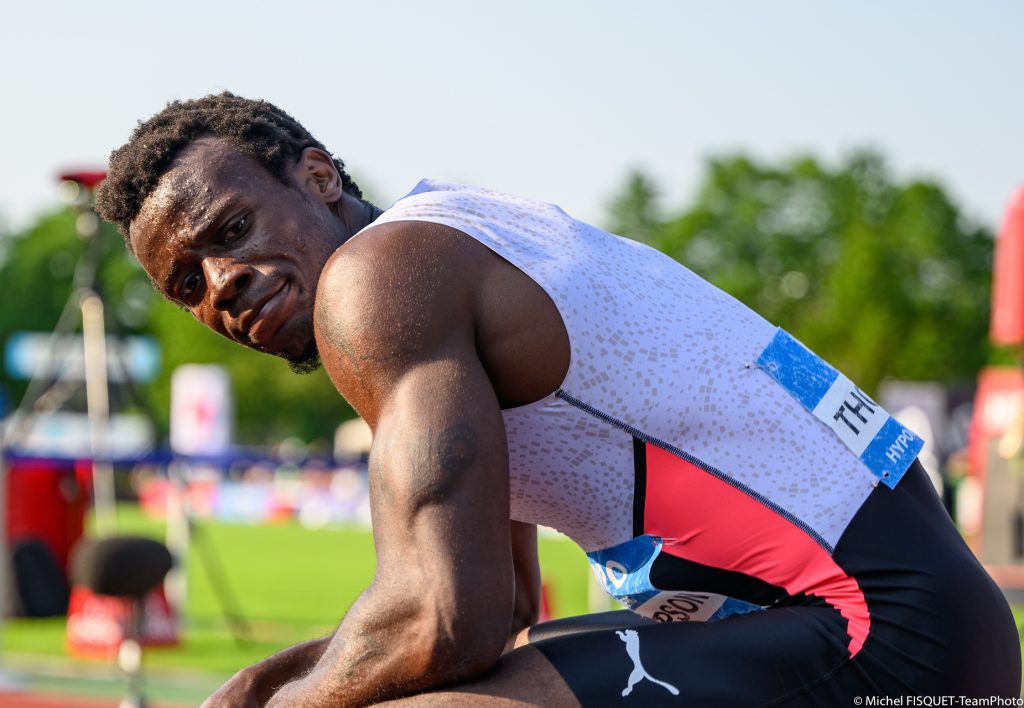
JOSE FERNANDO FERREIRA SANTANA (BRA)
A little south of the Bahamas, José Fernando Ferreira Santana (JFFS from this point forward) brings the South American representation to the field.
JFFS is one of those athletes whose heptathlon score seems that it really should be much higher than it is. A sub-7 60m, 7.50m long jump, 15m shot, 7.85s hurdles, 5.20m pole vault…but still his best is just over 6000 points. That score of 6010 is, however, a South American area record and achieved when JFFS finished 6th in Nanjing last year. The Brazilian has the additional challenge of navigating championships in two hemispheres. Most recently, he won the South American indoor championships in Cochabamba, Bolivia, with a modest 5696 points.
JFFS’ best outdoors is over 8200 points, aided by his 70m javelin.
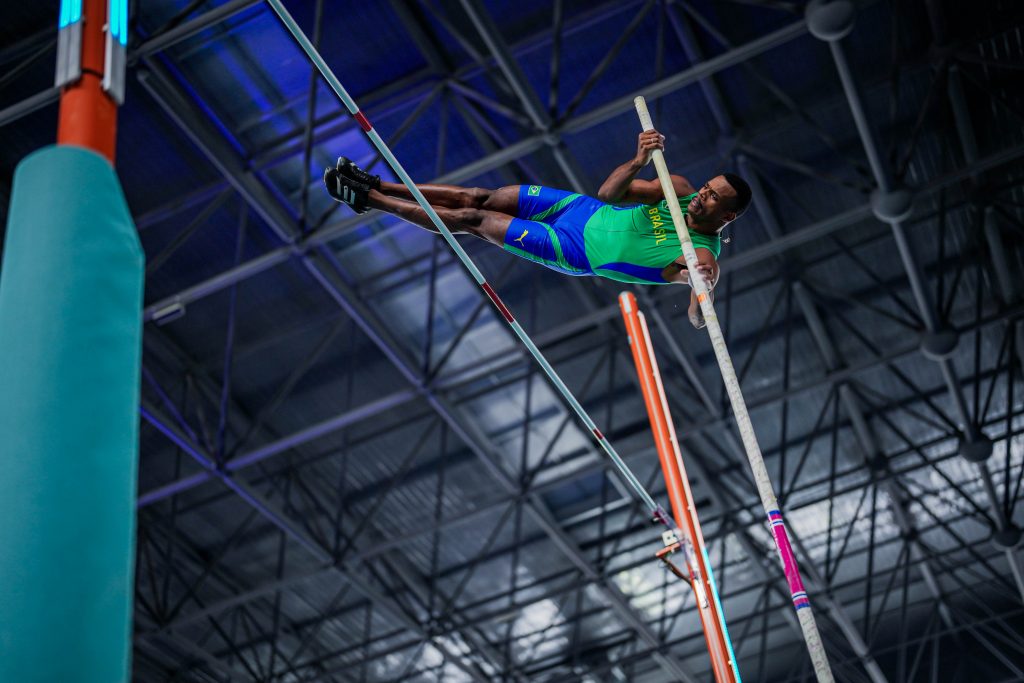
VILEM STRASKY AND ONDREJ KOPECKY (CZE)
Next up are the Czechs, Ondřej Kopecký and Vílém Štraský.
Štraský has improved steadily over the last few years, from 5850 in 2023 to 6080 in 2024 and 6162 in 2025. He has recently changed his coaching arrangements, leaving Roman Šebrle and returning to Josef Karas, whose hiatus from decathlon coaching was a catalyst for Šebrle to step more fully into coaching a few years ago.
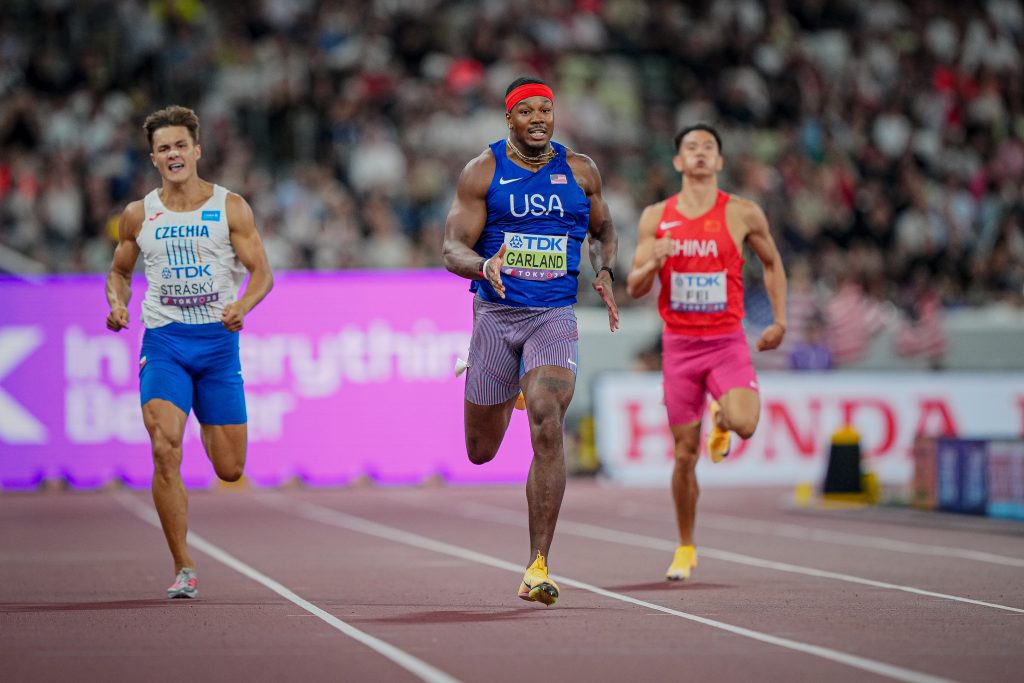
Štraský now trains with the 2024 world U20 decathlon champion Tomáš Järvinen, who won the Czech champs recently with 6124. However, Järvinen does not yet feature in the world rankings, since he does not currently have a senior decathlon mark.
Štraský is fast, and seemingly effortlessly competent across the full range of events, and a workhorse in the 1000 metres. Kopecký is also a good all-rounder, but his weak spot is in his speed, which generally means he scans better as a decathlete than as heptathlete (8310 to Strasky’s 8136). He’s a strong vaulter, with a best of 5.20m, which means he often claws back points on day two. Strasky’s best over seven events is 6162, Kopecky’s 6059.
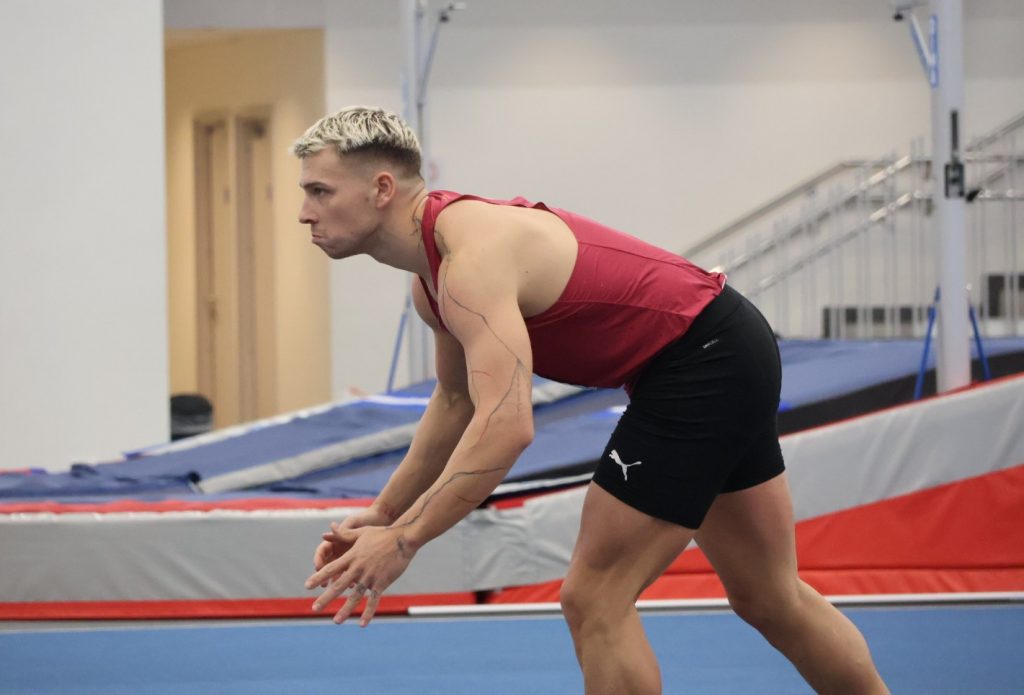
RASMUS ROOSLEHT (EST)
The two top European meets of the indoor circuit are typically split between Ehammer and Skotheim, Ehammer frequently the winner in Clermont-Ferrand and Skotheim in Tallinn. It was in Tallinn in 2025 where Skotheim first broke Kevin Mayer’s European record before extending it to 6558 in Apeldoorn, the likely target for Ehammer in Torun.
However, Skotheim’s announcement that he would forfeit the indoor season arrived in January, and so attention in Tallinn switched to the home Estonians. Johannes Erm had been qualified but withdrew from contention. Risto Lillemets was next in the rankings but injured his foot in the long jump in Tallinn.
And so Rasmus Roosleht had his opportunity. He glided to victory in Tallinn with 6045, just a few points short of his 6062 achieved when finishing seventh in Apeldoorn. Roosleht is typically better outdoors, with outstanding throws, approaching 50m in discus and 70m in javelin. However, with Garland, Baldwin and Gletty, he’s one of the 16m club shot putters in the field. Roosleht’s score of 6045 came with three out of three on Day two disciplines – new or equal PBs in hurdles, pole vault and 1000m.
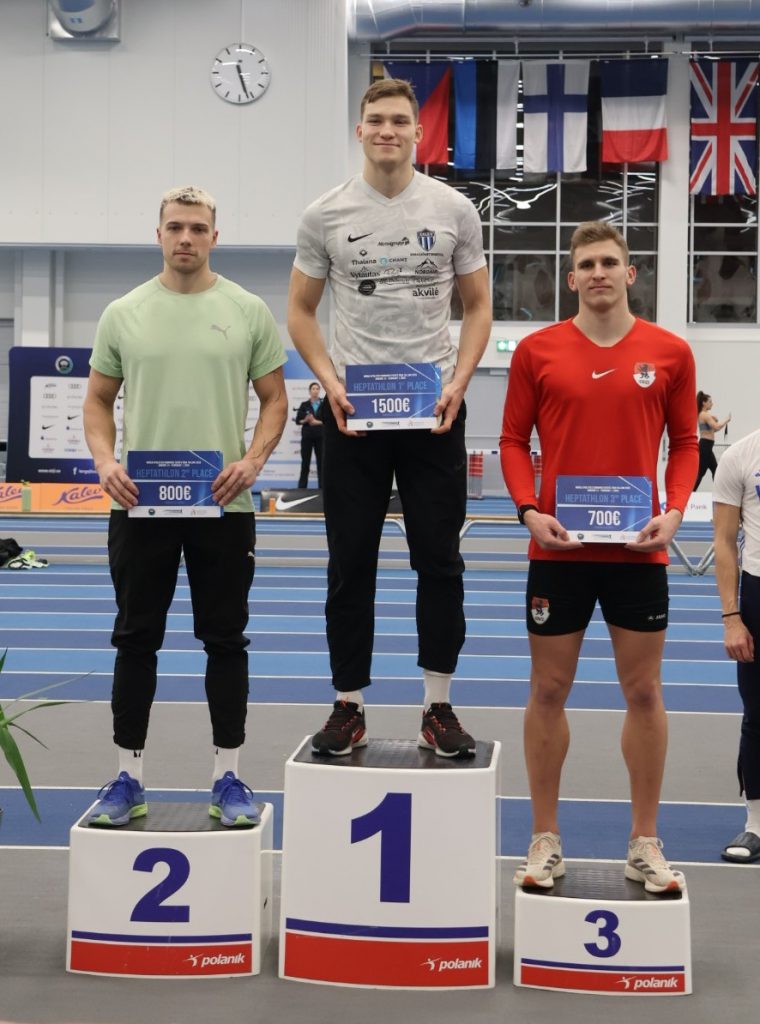
MANUEL EITEL (GER)
The 14th, discretionary place in the field goes to Manuel Eitel of Germany.
Qualification for the field of fourteen is thirteen spots by world ranking for those who have declared an interest in competing (by December 2025) and one discretionary spot for use by World Athletics, available for when the rankings system has accidentally excluded the world leader/world champion or some similar, entirely avoidable, travesty.
On all other occasions, the only defensible approach for the discretionary place is to give it to the next person on the list. However, the list on this occasion is the world rankings, which brings us to Manuel Eitel who, in his own words, was entirely surprised to have qualified and hasn’t done a heptathlon in three years.
But Eitel’s gracious acknowledgement of his good fortune is not the only reason to root for him. The German is beautifully suited to the indoor event, and in the past has often been the leader after the first event of a multi due to his blistering speed.
The last few years have been tough with injury for Eitel. His standout year was 2023, when he finished fourth at the European Indoors in Istanbul with 6047 (that last heptathlon) and then went onto score a decathlon PB of 8351 in Götzis. Even with injury problems, he has delivered an 8000-point decathlon every year since then.
This season also brings a coaching change for Eitel, moving from his long-term base in Ulm in south-west Germany, to England, Loughborough and Ashley Bryant’s squad which also includes EU23 silver medallist Abi Pawlett.
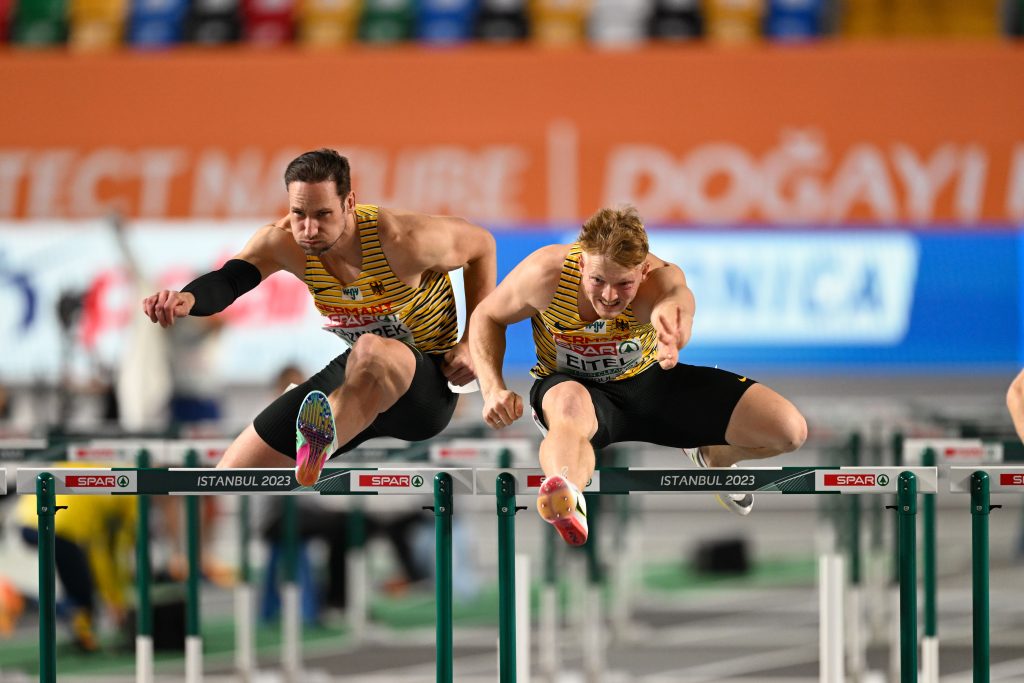
The heptathlon action starts on the morning of Friday 20th March.
How to support my work: If you enjoyed this preview and would like to to support my work, feel free to fuel my coverage with a coffee at ko-fi.com/thedecathlonwriter
BY GABBY PIERACCINI
